Mastering Fundamental Serving Techniques
Explore essential serving mechanics and progressions that build consistency and competitive reliability through systematic practice and technique refinement.
Read ArticleDiscover proven methods for developing seamless communication patterns and tactical synchronization that strengthen defensive formations and elevate offensive execution in competitive volleyball.
Effective team coordination in volleyball extends beyond individual skill development. It represents the collective synchronization of movement, communication, and tactical decision-making across all six players on the court. This foundation requires establishing clear role definitions, understanding positional responsibilities, and creating shared mental models of how the team operates during different game situations.
The coordination process begins with structured practice environments where players develop familiarity with teammate positioning and response patterns. When players understand their teammates' typical movements and decision-making processes, they can anticipate plays, cover defensive gaps more effectively, and execute offensive strategies with greater precision. This familiarity reduces reaction time and allows for more fluid, coordinated team movements.
Building this foundation requires intentional repetition and systematic exposure to various game scenarios. Players must practice not only their individual techniques but also the timing and spacing required to work effectively with teammates. This includes understanding how different court positions interact, how rotations affect team structure, and how communication flows throughout match situations.
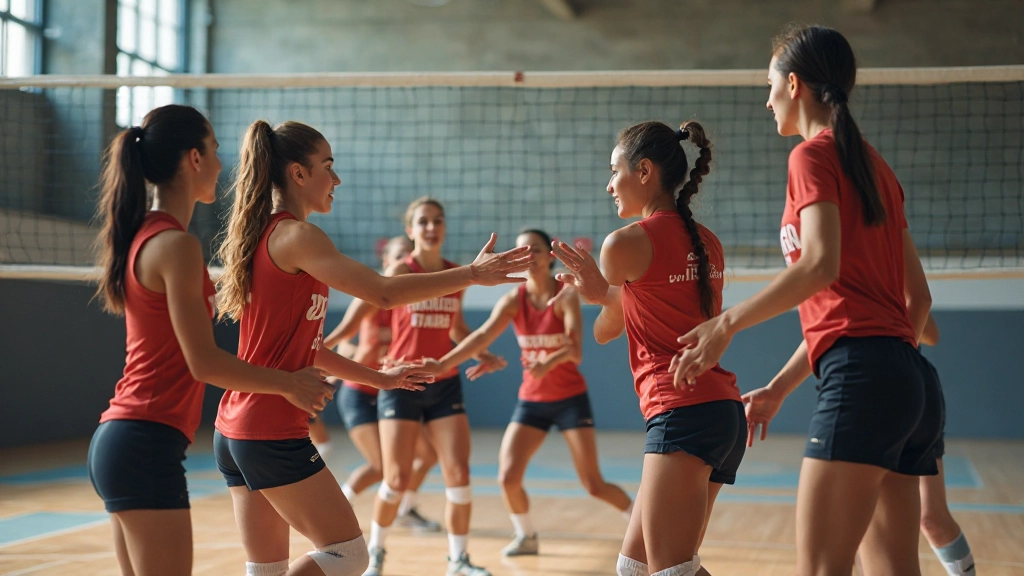
Communication serves as the nervous system of team coordination, enabling players to make rapid decisions and adjust strategies in real-time. Effective communication in volleyball occurs through multiple channels: verbal callouts, hand signals, eye contact, and positional awareness. Each channel carries specific information that teammates must understand and respond to consistently.
Verbal communication typically includes specific terminology for different situations. Players call out their positions, intentions, and observations to keep everyone informed about court conditions and upcoming actions. Common callouts identify who will handle specific responsibilities, alert teammates to potential threats, and confirm successful execution of plays. This verbal framework must be standardized so all players interpret messages identically.
Non-verbal communication includes positioning, eye contact, and body language that convey information without spoken words. Players develop awareness of where teammates are positioned, anticipate their movements, and adjust accordingly. This visual communication becomes increasingly important during high-pressure situations where verbal callouts may not carry sufficient clarity over crowd noise or when rapid adjustments are necessary.
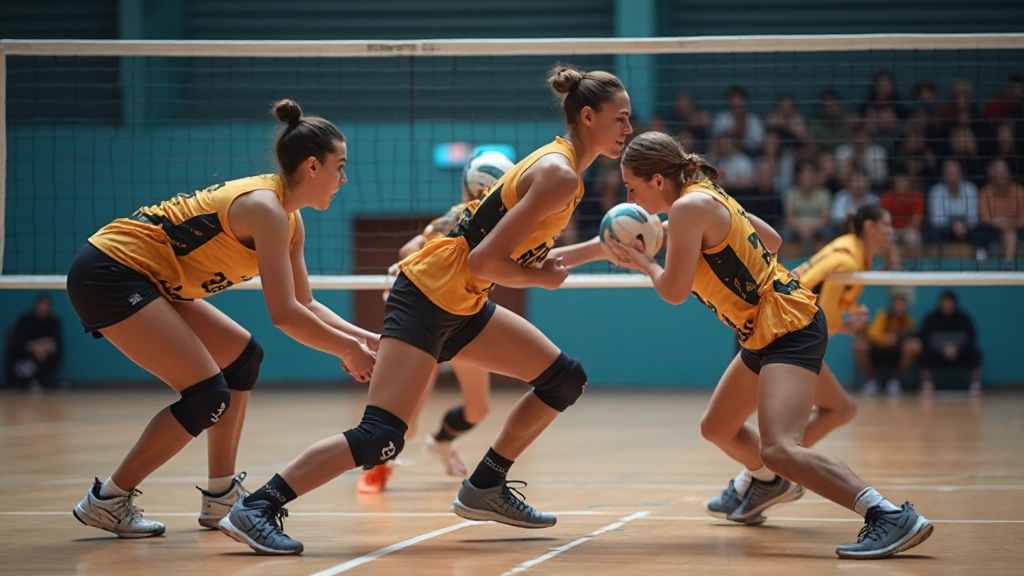
Defensive coordination requires synchronized positioning and movement that covers all court areas while maintaining structural integrity. The defensive system depends on players understanding their responsibilities relative to the ball, teammates, and opposing hitters. When one player moves to cover a specific area, others must shift their positions accordingly to prevent gaps in coverage.
Modern defensive systems employ various formations—such as 5-1, 4-2, or specialized structures—that define how players position themselves and respond to opponent attacks. Each formation determines which players move to specific coverage areas, who communicates primary defensive assignments, and how the team transitions between offensive and defensive phases. Players must practice these transitions repeatedly until they become automatic responses.

Coordinated defense also involves understanding how different player specializations interact. Defensive specialists, middle blockers, and outside hitters each bring specific capabilities to the defensive structure. When players understand these specializations and position themselves to maximize collective coverage, the team develops a more comprehensive defensive presence. This coordination extends to timing—players must adjust their positioning speed and intensity based on opponent attacking patterns and game momentum.
Offensive coordination requires precise timing between setters and hitters, synchronized approach movements, and strategic positioning that creates attacking opportunities. The setter functions as the primary coordinator, reading the ball trajectory and opponent positioning while making split-second decisions about which hitter will receive the ball. This decision-making process depends on setters understanding each hitter's preferences, range capabilities, and situational effectiveness.
Hitters must coordinate their approach timing with setter decisions, adjusting their positioning and jump timing based on ball trajectory and setter intention. This coordination often occurs with minimal communication—hitters watch setter positioning and ball handling characteristics to anticipate where the set will be delivered. The synchronization extends to supporting players who position themselves to cover failed attacks, transition quickly to defense, and maintain team structure throughout the offensive sequence.
Effective offensive coordination also involves adapting to defensive opponent configurations. When opposing teams adjust their formations or implement specific blocking strategies, coordinated teams modify their attacking approaches accordingly. This requires constant communication between setters and hitters about what defensive adjustments they observe and how attacking strategies should evolve in response.
This content provides educational information about volleyball coordination principles and training methodologies. The information presented represents general approaches to team development and is intended for informational purposes only. Individual player development, team success, and competitive outcomes vary based on numerous factors including player experience, coaching expertise, practice frequency, physical conditioning, and competitive context.
Volleyball training should be conducted under qualified coaching supervision to ensure proper technique execution, appropriate physical progression, and safe practice environments. Different teams may require customized approaches based on their specific circumstances, skill levels, and competitive objectives.
Developing effective team coordination requires intentionally designed practice structures that emphasize systematic repetition of coordinated movements. Rather than focusing solely on individual skill refinement, practice sessions must allocate significant time to team-based drills that reinforce coordinated decision-making and movement patterns. This approach ensures that players develop automatic responses to common game situations.
Progressive drill structures allow teams to build coordination gradually, starting with simplified scenarios and advancing toward game-realistic complexity. Beginning drills might involve basic two-person combinations where players practice timing and spacing. As coordination develops, drills expand to involve entire teams executing complex patterns with multiple decision points and coordination requirements. This progression ensures players master fundamental coordination before encountering more complex scenarios.
Situational practice also enhances coordination development. When teams practice specific game scenarios—such as defending against particular attack patterns or executing offensive strategies against certain defensive formations—players develop coordination patterns applicable to actual competitive conditions. These situational drills create muscle memory and decision-making automaticity that translates directly to match performance.
Assessing team coordination quality requires systematic observation of how players execute coordinated sequences during practice and competition. Coaches evaluate coordination by observing defensive positioning consistency, offensive timing synchronization, communication effectiveness, and transition speed between offensive and defensive phases. This observation identifies specific coordination weaknesses that require targeted practice attention.
Video analysis provides valuable tools for reviewing coordination patterns. By examining recorded practice sessions and matches, coaches and players can identify timing inconsistencies, communication breakdowns, and positioning errors that may not be apparent during live play. This detailed analysis enables targeted corrections and helps players understand exactly how their movements should coordinate with teammates.
Continuous refinement ensures coordination systems remain effective as opponents adapt their strategies and as player development creates new capabilities. Teams must periodically reassess their coordination patterns, incorporate new players as roster changes occur, and modify systems to address identified weaknesses. This ongoing development process maintains coordination quality and supports competitive progression throughout the season.